Why Some People’s Hands Feel Locked Until Mid-Morning
A Reader Report on the first-twenty-minute tax — stiff knuckles, a coffee mug that suddenly needs two hands, and the ~15-minute cordless sofa thaw ordinary readers are quietly trying instead of another cream, another glove, or another morning spent waiting under the tap.

Most people blame “getting older.”
They wake up. The room is still soft with early light. The coffee maker has already done its job. Somewhere downstairs a kettle clicks off. And then the hands arrive — late to their own morning.
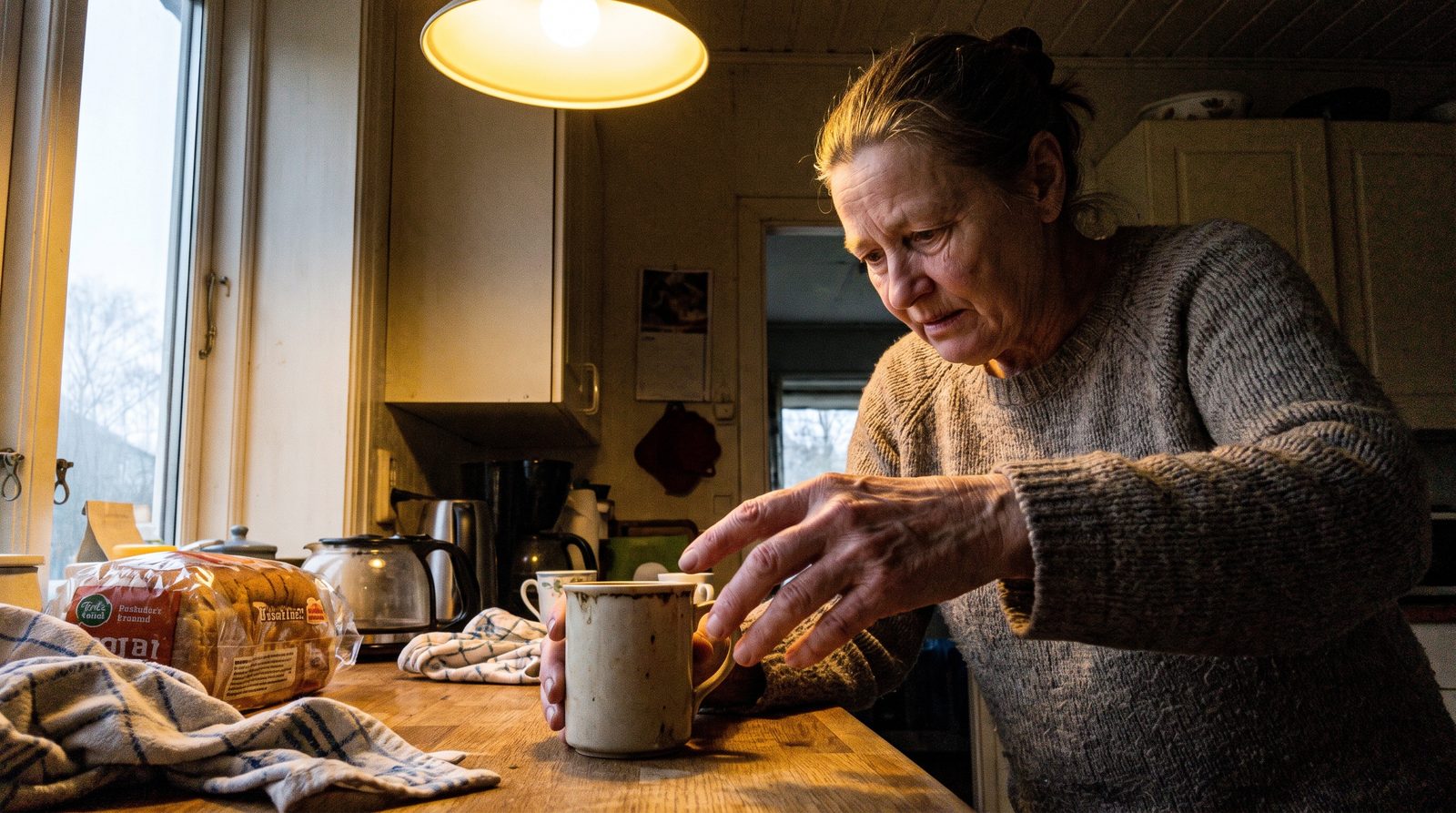
Reach for the mug. Fingers will not close the way they closed last night. The thumb base aches like it slept in a fist. Knuckles feel thick. The shirt button that was nothing at bedtime becomes a small negotiation. The medication bottle becomes a two-person job if anyone else is home. The phone screen ignores a thumb that will not bend on command.
So they wait.
They run warm water over the knuckles until the steam fogs the mirror. They rub cream in until the kitchen smells like menthol and hope. They shake their hands out like that will trick the stiffness into leaving. They open and close fists in the dark hallway, counting, waiting for “normal” to clock in.
Twenty minutes disappear before the day has even started — and they call it normal.
Here is the reverse nobody says out loud at the breakfast table: morning stiffness is not a character flaw, and it is not something willpower fixes. It is a pattern. Stiff knuckles. Ache at the thumb base. Grip that shows up late. And the longer you treat it like “just warm up on your own,” the more of your morning you quietly donate to it.
That donation has a name in kitchens across Germany, Austria, Switzerland, and every other place where people still want to button their own shirt: the first-20-minute tax.
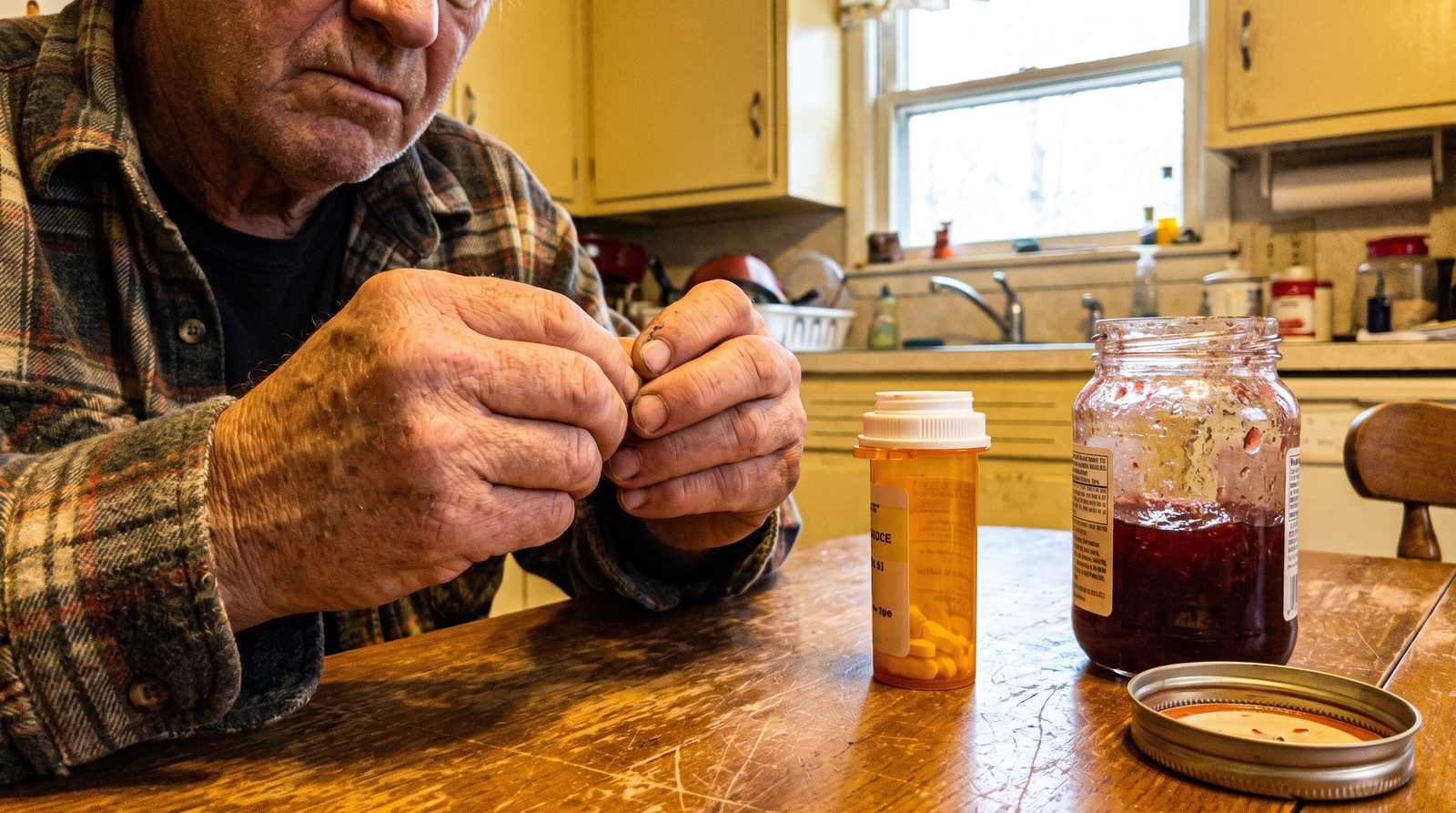
It is not dramatic. It does not look like an emergency. It looks like a woman staring at a coffee mug as if the handle has changed shape overnight. It looks like a man asking his partner to open the jam jar “just this once” for the third morning in a row. It looks like independence leaking out of the day in teaspoons.
People describe the feeling the same way, over and over, in forums and ad comments and quiet kitchen conversations. Editorial note, because it matters: the line below is a category identity pattern — spice from how this morning already gets named in the market — not a Hand Hearth customer quote, and not a diagnosis.
“Every morning my hands feel like concrete gloves.”
Not sore exactly. Not “a little stiff.” Locked. As if someone poured the night into the joints and forgot to crack the mold. Soaks help while the water is running. Compression gloves help outdoors. Something before bed helps… until 7am, when cement fingers clock in again and the first twenty minutes belong to them.
If that line lands in your chest, you already know the scene. You do not need a lecture about aging. You need the morning back.
This Reader Report is not a clinic brochure. It is a look at that tax — what people already try, why single-mode fixes stall, and the short sofa ritual that kept showing up when we asked readers what they actually wanted at 7am: something cordless, something finishable, something that does not ask them to perform their hands in public.
Why single-mode fixes keep stalling
Before anyone shops for a device, they try the stack. Quietly. Repeatedly. With the same hope every Tuesday.
Warm water soaks.
Cost: sink time, wet sleeves, a fogged bathroom. Limit: nice while wet; the locked feeling often returns the moment life asks for a grip — keys, buttons, the cereal box.
Creams and rubs.
Cost: time plus the smell of effort. Limit: surface comfort rarely touches that “glove poured overnight” sensation at 7am. You finish the tube. The morning tax stays.
Daytime compression gloves.
Cost: another thing to remember, another look in the mirror. Limit: useful for some daytime tasks; mornings still steal the open. Gloves do not run a thaw ritual while you are half-awake on the sofa.
“Just wait it out.”
Cost: 15–30 minutes of life, every day you have. Limit: the day does not wait with you. Appointments, grandchildren, the commute, the dog — none of them pause for knuckles to clock in.
Braces and overnight wraps.
Cost: sleep quality, another drawer of gear. Limit: immobilizing overnight is not the same as waking up usable. Some people sleep better. Many still meet concrete at sunrise.
None of these are personal failures. They are single-mode fixes aimed at a multi-part morning problem. Heat alone. Pressure alone. Waiting alone. Hope alone.
Hands that wake up locked often need more than one kind of comfort in the same short window — and they need it before the day starts collecting debts.
You do not need a celebrity. You need a pattern someone who lives with hands recognizes.
Across kitchens and quiet living rooms, the complaint is the same: people who “did everything right” overnight — rest, cream, brace — and still lose the opening of the day. This page does not diagnose from an advertorial. What it notices is behavioral: people who reclaim even a short usable window before breakfast stop apologizing for their hands quite so often.
The useful question is not “which cream is stronger.” The useful question is:
What if the first usable minutes were not earned by waiting — but by a short, deliberate thaw?
Not a clinic visit. Not a performance. A sofa session. News on. Coffee cooling. One hand at a time. No audience.
That question is the bridge. The product is not the hero yet. The ritual is.
Stay with the feeling, not a disease label. When hands feel cold-locked in the morning, people reach for whatever promises relief. The category tools that keep showing up together in home rituals — not as a unique clinical ownership claim, not as a cure — are simple:
-
Heat — to soften that locked, cold-start feeling in the hand
-
Air compression — a squeeze-and-release rhythm around the palm and fingers
-
Gentle massage — movement where the hand feels stuck
Think of it like thawing a windshield: you do not smash the ice with willpower. You give it warmth, you give it time, you give it a rhythm. You are not “curing winter.” You are clearing enough glass to drive.
Same honesty here. A short session that combines heat + rhythmic compression + massage is category comfort — the kind of at-home ritual many people already piece together clumsily with soaks, gloves, and hope. Putting those three comforts into one cordless ~15-minute session is not magic. It is interrupting the morning lock long enough that buttons, keys, mugs, and the rest of the morning feel possible again.
You are not replacing a doctor. You are not treating a diagnosis in this article. You are reclaiming the first part of the day.
Continue reading the morning ritual →
What readers told us they actually wanted:
-
Something cordless they could use on the sofa — not a clinic appointment
-
A session short enough to finish before an episode ends, or before the kettle forgets itself
-
Pressure they control — not a one-speed gadget that feels random
-
No daily subscription ritual they have to remember at 7 a.m.
-
Comfort they can finish in private, before the day starts asking for buttons and lids
-
A try they can undo if mornings do not feel more theirs — discussed later on this page
The 15-minute sofa thaw
Here is the simple sequence that stuck for readers who finally stopped bouncing between half-fixes — and the one that maps to a real morning, not a spa brochure.
-
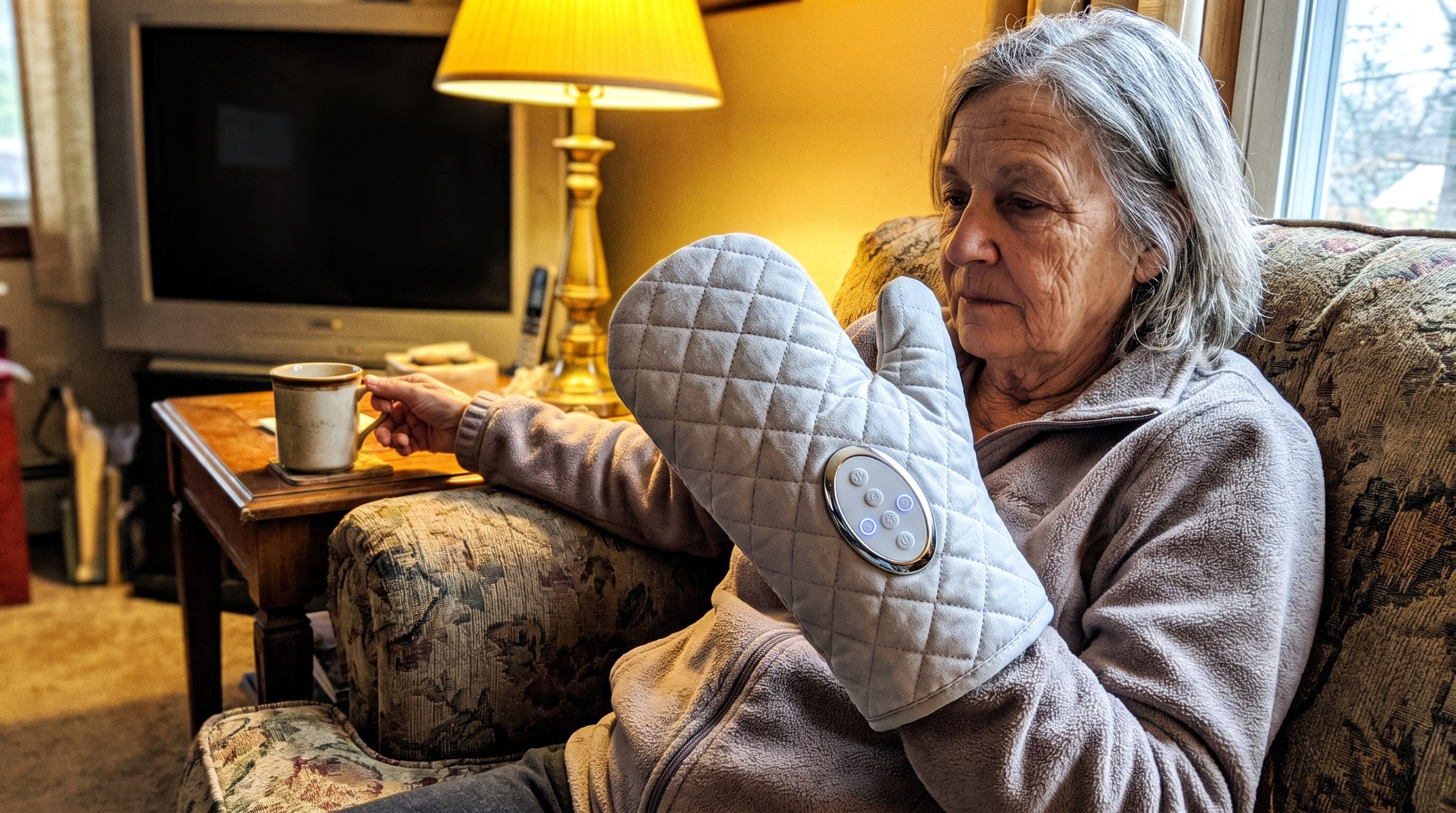
Sit down. Sofa, desk chair, or the edge of the bed. Phone on Do Not Disturb for one show segment. One hand into the cordless fabric mitt. Choose a heat and pressure level that feels like comfort, not a challenge. The other hand holds the remote, the coffee, or nothing at all.
-
Warm + rhythm. Let heat arrive first — that soft “finally” feeling people chase under the tap, without standing at a sink. Compression begins its squeeze-and-release. Massage joins the rhythm. You are not “working out.” You are winding the lock off the hand. Fingers that felt poured into concrete start to remember they bend.
-
Stop at ~15 minutes. Switch hands if you use both, or finish one hand thoroughly and leave the second for tonight. Put the mitt back on the charger, somewhere obvious — next to the remote, not in a bathroom drawer. Then try the mug. Try the button. Try the phone. Not for a miracle photo. For the quiet test: Do my hands feel more like mine?
Some mornings will still start slower than others. That is life with hands that have opinions. The point of the ritual is not perfection. It is stealing the tax back — returning twenty minutes that used to vanish into warm water and waiting.
Watch what “usable hands” actually means before noon, when the ritual has somewhere to land:
-
Opening the medication bottle without asking someone else
-
Buttoning a shirt without the little flare of frustration behind the eyes
-
Holding the mug without the careful two-handed shuffle
-
Picking up the phone like it is yours again
-
Turning a key without that thumb-base warning shot
-
Spreading jam, tying a shoe, waving at a neighbor — ordinary life, returned
That is the life force under this angle. Not a medical miracle story. Getting the first part of the day back.
People who have lived with morning-stiff hands already know the shame is not public theater. It is private. It is the pause before you ask for help. It is deciding which tasks to postpone until “the hands wake up.” It is rearranging the morning so the world does not see you struggle with a button.
A thaw ritual does not erase that history. It shortens the window.
My 3-week notes (not a clinical trial — just a comfort diary)
Week 1 — Awkward, then slightly less clenched
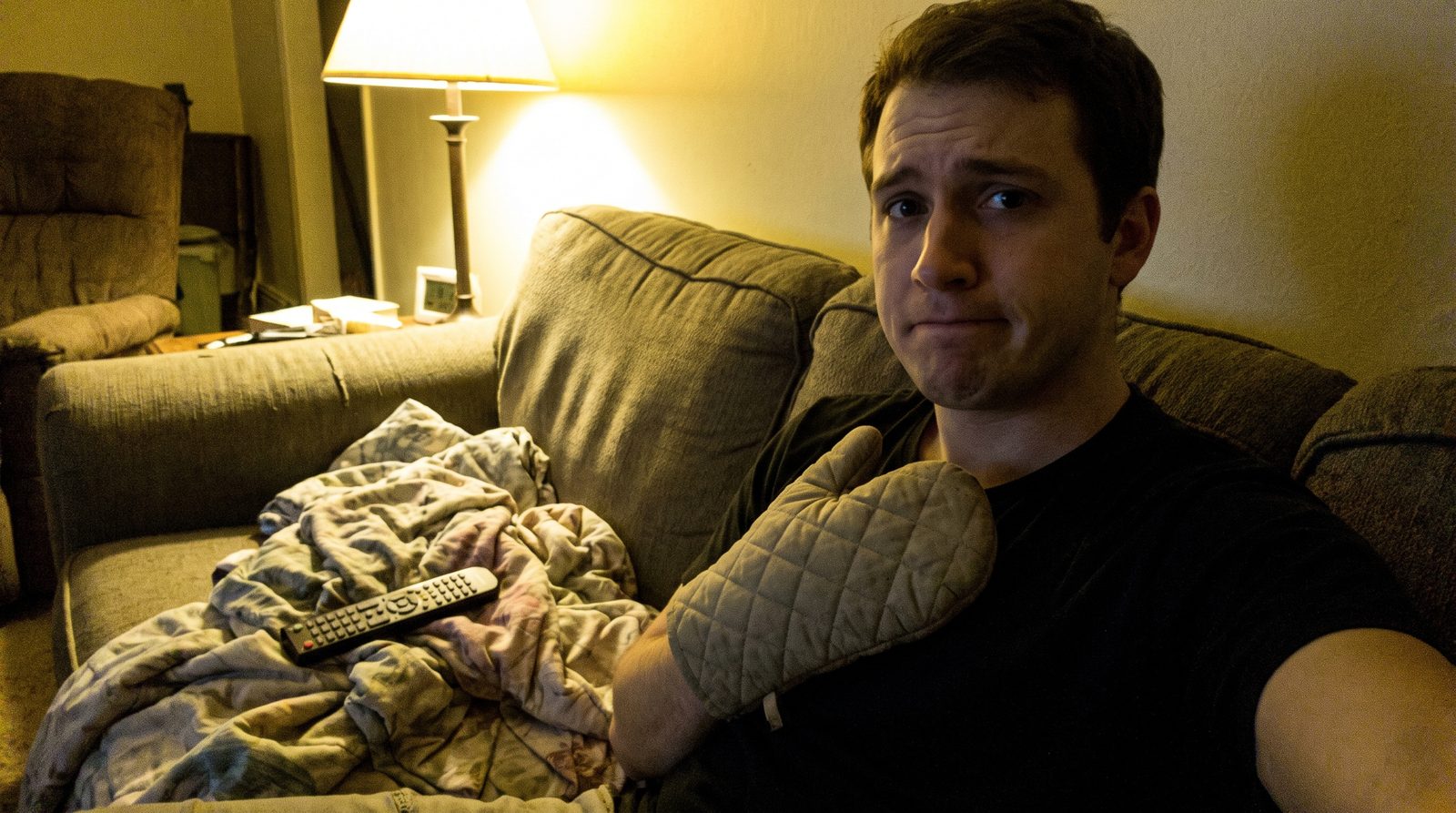
The first evenings felt slightly ridiculous. An adult on the sofa with a fabric mitt while the news mumbled. Low settings. Ten minutes on the worse hand. Coffee went lukewarm.
What changed was not a miracle. Evenings felt less “clenched.” Desk days still happened. The brace did not get thrown away. But I stopped reaching for it every night as a reflex. Buttoning afterward was less of a fight — not a commercial, a quieter fight.
The first sessions can feel unfamiliar: too much pressure, not enough heat, the oddness of a device on the sofa when you are used to suffering quietly at the sink. That is expected. You are learning comfort settings, not collecting a transformation photo.
Week 2 — The good kind of boring
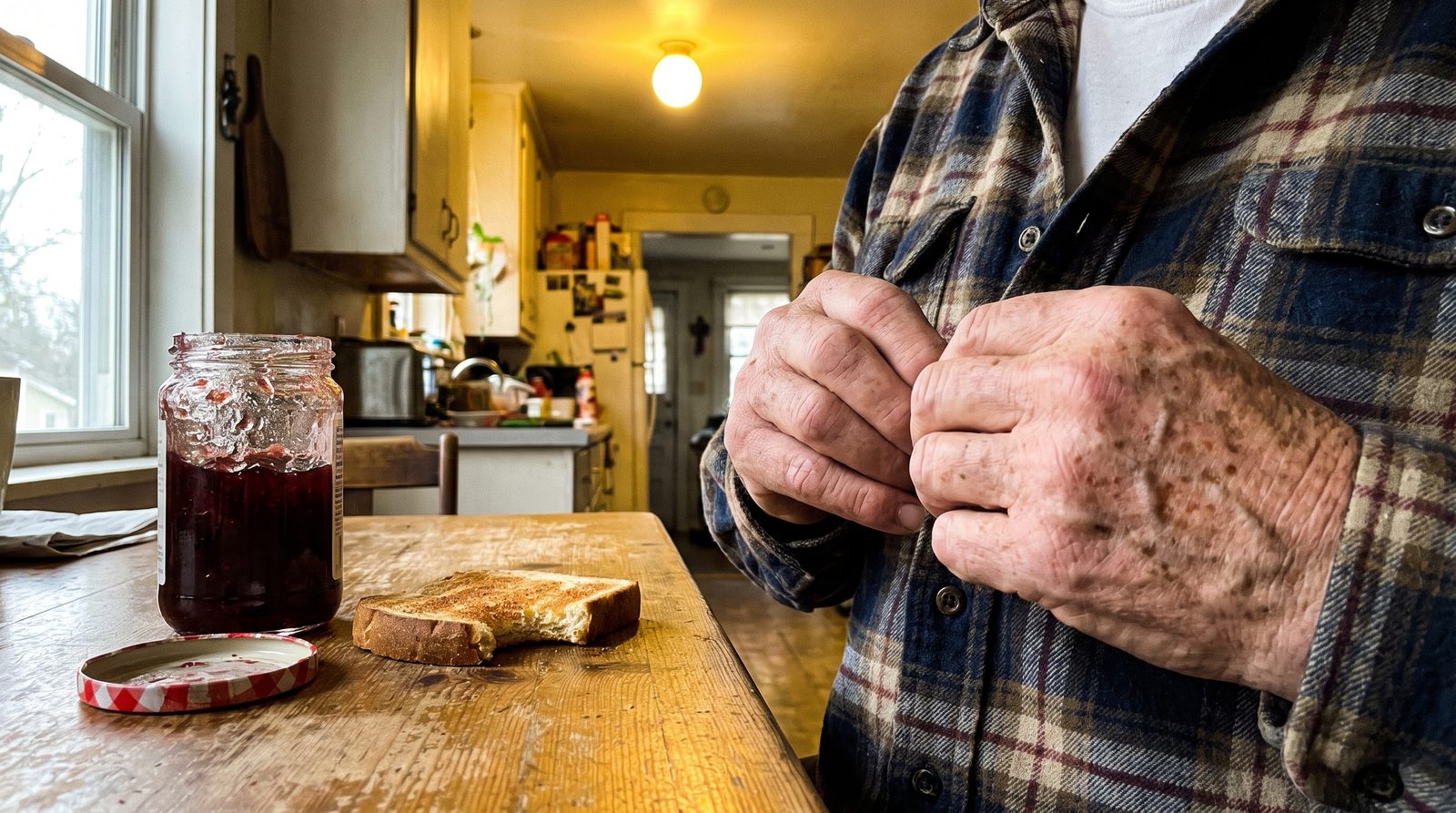
Opening jars got boring again. That is the good kind of boring. The medication bottle opened without the little shame-flare. The shirt button stopped being a negotiation I rehearsed in the hallway.
The habit stuck because it lived next to the remote — not in a bathroom drawer behind the creams. I missed one morning (a train). The tax collected instantly. Reminder: this is a ritual, not a personality transplant. I came back the next day without drama.
By the end of the week I was treating it the way people treat brushing teeth: not optional theater. Just part of how the start of the day works now.
Week 3 — Usable morning continuity
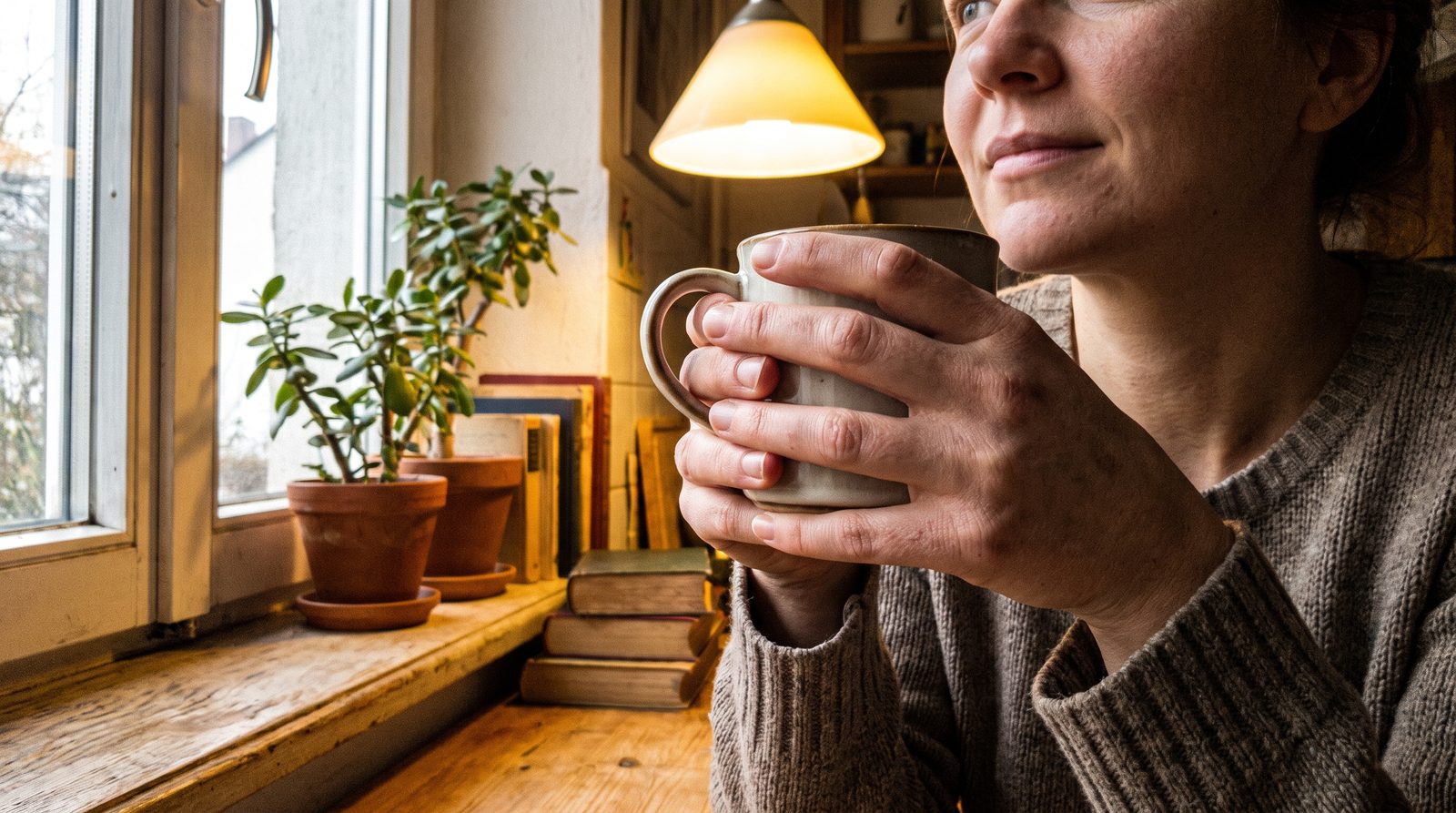
I still use it most nights, and some slow mornings. Not because I am chasing a miracle — because 15 minutes is easier than arguing with stiff hands while the toast goes cold.
The metric is quieter than advertising likes: Can I button without bargaining? Can I hold the mug without choreography? Can I start the day when I start — not when the stiffness clocks out?
Most days now: yes enough. Enough to keep going. Still some slow days. Still not a cure story. Continuity — that is the win. The first twenty minutes belong to me more often than they belong to the sink.
Damaging admission (keep this in the diary, before any offer):
This will not make every morning perfect. If you skip days, the morning tax comes back to collect. And if you are hoping for a device that erases arthritis, “fixes” a medical condition, or replaces a clinician’s advice — this is not that, and it should not pretend to be.
Hand Hearth’s cordless fabric hand-massager mitt is a home comfort ritual: heat, air compression, and massage in one ~15-minute session you can finish before the day starts demanding things from you. Symptom and lifestyle relief. Manageability. Morning usability. Not a cure claim. Not a surgery alternative. Not a diagnosis.
That honesty is the point. People with stiff morning hands have been sold miracles. They are done with miracles. They want twenty minutes back.
“I didn’t need another cream. I needed a ritual I would actually finish.”
How to try Hand Hearth today
Hand Hearth is a cordless fabric hand-massager mitt built for short home sessions — the kind you can do while the kettle boils or a show plays. No clinic booking. No celebrity endorsement theater. Just a practical sofa tool.
We will not invent Hand Hearth customer quotes. First-party voice is thin; inventing stars and five-line miracles is how advertorials lose the plot.
What we can say, honestly:
-
Morning-stiffness identity stories are already common in the category (including the “concrete gloves” pattern above — category spice, not our review).
-
On-site and category language already centers morning stiffness and short sessions — the ritual fits how people actually live.
-
Category arthritis-hand talk (other brands) repeatedly returns to grip, morning lock, and “wish I’d tried something sooner” — pattern, not our proof.
-
A 60-day money-back window exists so the try is the proof — not a paragraph of fake names.
If a morning feels more usable after a sofa thaw, that is the testimonial that matters. Yours. In your kitchen. With your mug.
Before any launch figure, here is the deal structure that respects skepticism:
Try the morning ritual at home for up to 60 days.
If the first-20-minute tax still owns you — if buttons and mugs and mornings do not feel any more yours — return it under the money-back guarantee. You are not marrying a gadget from a headline. You are testing a thaw.
Shipping is handled on the official order path. The cordless session is ~15 minutes. One hand at a time. Heat + air compression + massage as category comfort tools, not a unique clinical trinity anyone invented for this page.
Is this a medical treatment for arthritis or carpal tunnel?
No. This page is about symptom and lifestyle comfort — morning stiffness, grip confidence, usable hands before noon. It does not diagnose, treat, cure, or replace professional care. If you have a medical condition, talk to a clinician.
Is heat + compression + massage unique to Hand Hearth?
No. Those are category comfort features shared across similar home devices. Hand Hearth’s offer is a cordless ~15-minute ritual with a 60-day money-back window — not ownership of exclusive “three-therapy” marketing claims.
Will this replace surgery or a brace my doctor recommended?
No. Do not skip medical advice. This is a home comfort ritual, not a surgery alternative.
-
Tap through to the official offer page (tracked link in the box below).
-
Check the current bundle and the 60-day return window on the checkout page.
-
Start with one evening or slow-morning session. Keep the charger somewhere obvious.
Limited reader path
Ready when you are — the 60-day money-back window is the point. Details live on the official offer page.
Get Started Now! Try Hand Hearth Tonight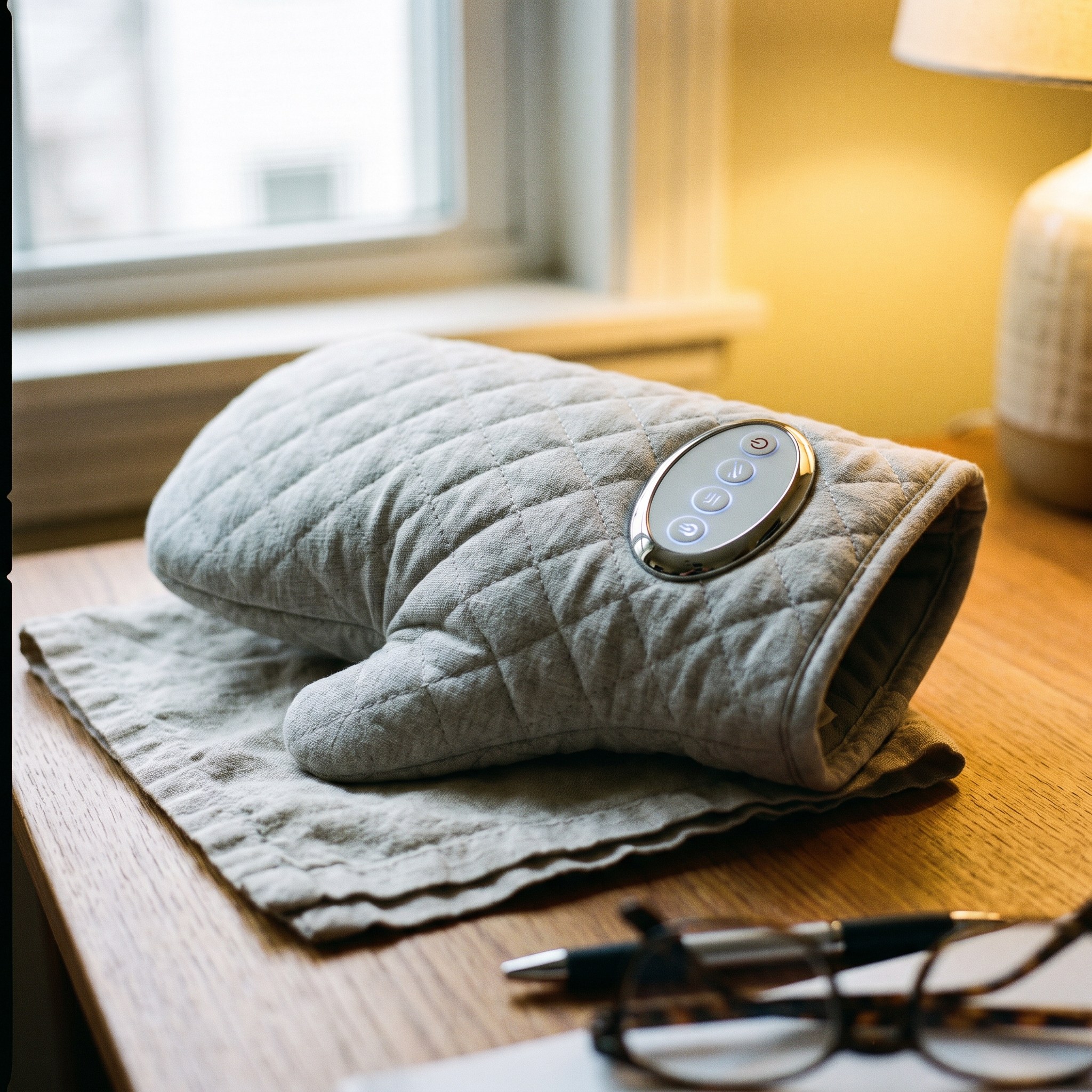
Hand Hearth Hand Massager on official checkout: $69.99 (1 unit) · $99.99 (2 units) · 60-day money-back. Free-shipping terms as shown on checkout. Figures confirmed after you click.
Note: This is an advertorial for Hand Hearth. Results vary. Not a substitute for medical advice — talk to a clinician if you have an injury, neuropathy, or a diagnosed condition affecting your hands. Heat, air compression, and massage are common category features of home hand massagers — not unique clinical claims. “Concrete gloves” language reflects a common category identity pattern and is not a verified Hand Hearth customer testimonial. Individual comfort differs. Comments and grid scenes below are editorial theater.
Reader wall (editorial theater)
Reader comments · Editorial theater for illustration — not verified Hand Hearth reviews
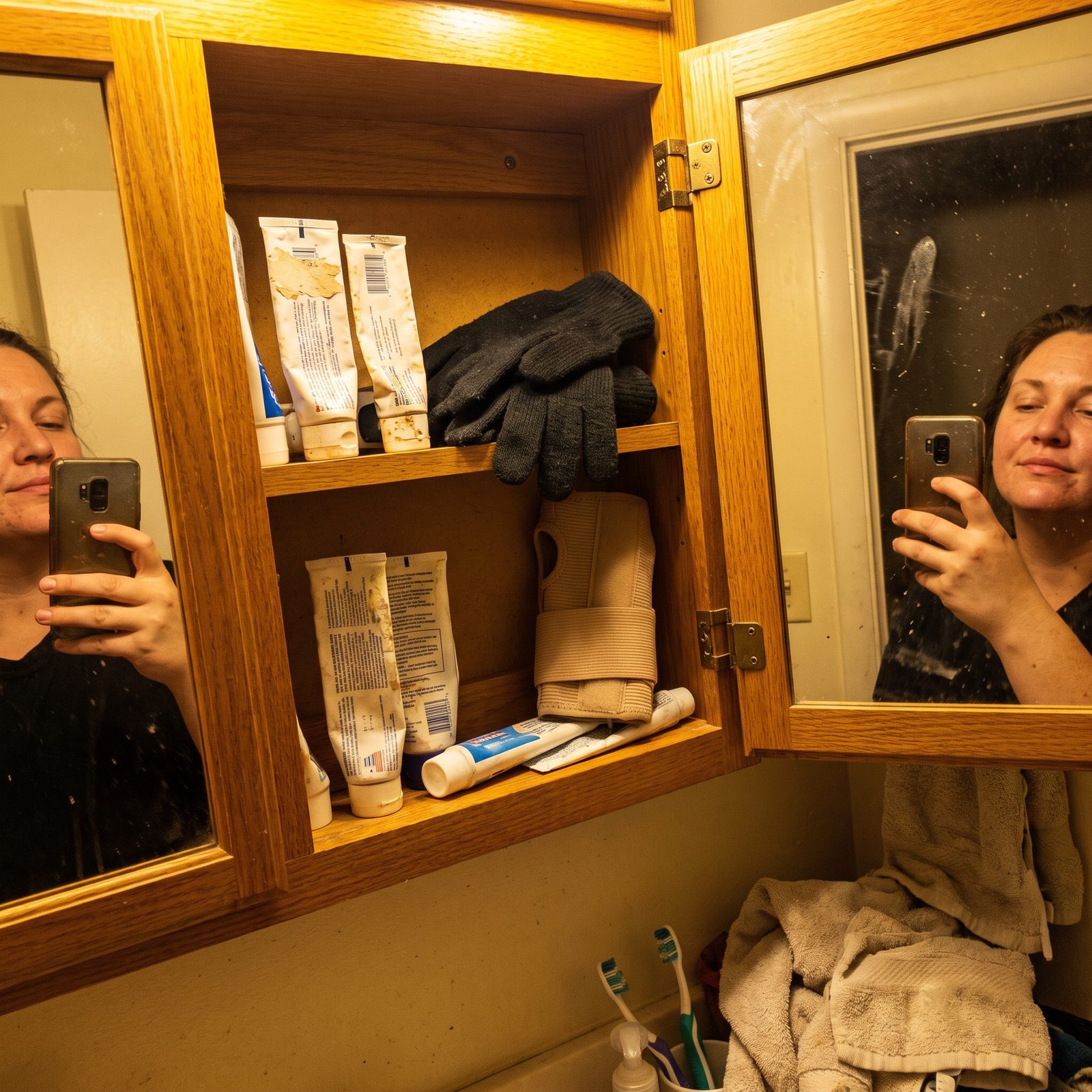
Klaus, 71 · near Köln
“Creams, gloves, waiting — been there. Skeptical of gadgets. What sold me in this article wasn’t a cure story. It was the damaging admission. If they admit it won’t be perfect, I’ll try the 60 days.”

Sabine, 58 · Wien
“My husband opens every jar now and jokes he’s ‘the official lid department.’ I’m tired of the joke. A 15-minute ritual I can do while the news is on? That’s the bar.”
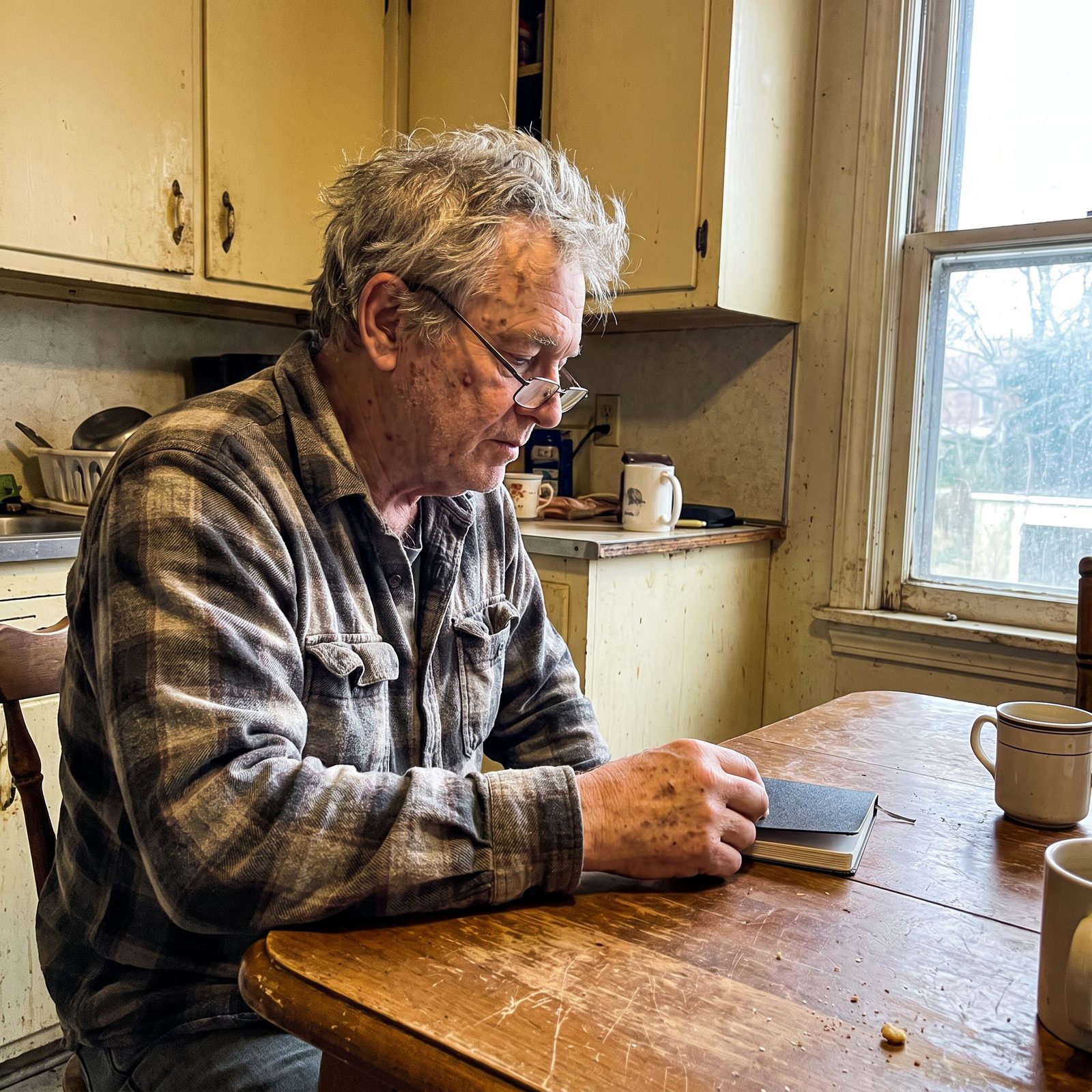
Thomas, 66 · Zürich region
“I don’t need a moonshot. I need my hands to work before coffee. Fifteen minutes on the sofa with a real try-window was enough for me to order.”
If your hands wake up slower than you do, you already understand the problem.
The question is whether you want another week of donating your first 20 minutes to stiff fingers — or whether you’ll try a sofa-simple thaw and see if mornings feel more like yours again.
Hands that move. Then the day.
Continue to Offer →
Ingrid, 64 · München area
“I don’t need a miracle. I need my buttons before the toaster pops. The concrete-gloves mornings were eating my patience. Trying a short sofa thaw before coffee is the first thing that sounded like my actual life.”